
A Guide to Wedding Flower Styles That Feel Like You
Plan florals with confidence using this guide to wedding flower styles, from romantic garden looks to modern designs, shaped for Long Island celebration.
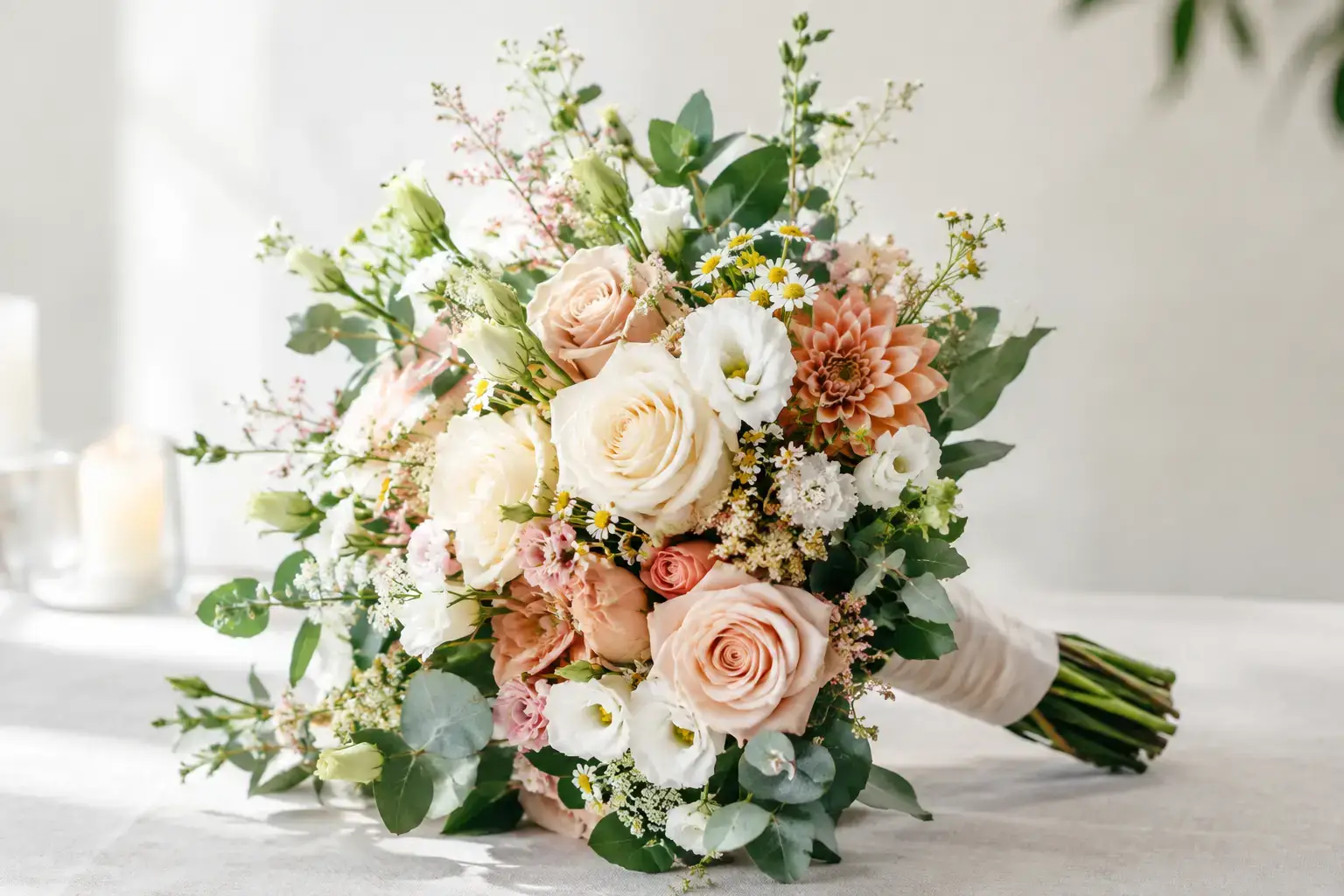
A bouquet can set the emotional temperature of the whole day. It appears in the first photos, leads the walk down the aisle, and becomes part of the details guests remember long after the last dance. This guide to wedding flower styles helps you move beyond simply choosing favorite blooms and toward a floral look that feels right for your venue, season, celebration, and personality.
For Long Island couples, the best floral direction often comes from balancing a clear vision with practical choices. A dramatic arrangement may suit a ballroom beautifully but feel out of place at an intimate garden ceremony. The goal is not to follow a trend perfectly. It is to create flowers that make the setting feel more like your day.
This Guide to Wedding Flower Styles Starts With Feeling
Before selecting roses, ranunculus, hydrangea, or greenery, choose a few words that describe the experience you want to create. Think romantic and airy, polished and classic, colorful and joyful, natural and gathered, or sleek and modern. Those words give your florist a more useful starting point than a folder full of unrelated photos.
Your venue should influence the conversation, too. A waterfront celebration may call for movement, texture, and a relaxed palette. A formal indoor reception can support structured centerpieces, tall arrangements, and more refined symmetry. At a backyard wedding, flowers often look best when they feel connected to the landscape instead of competing with it.
Color does much of the styling work. Soft white, cream, blush, and pale green flowers create a timeless foundation. Citrus shades, coral, bold pink, and blue bring energy to summer celebrations. Rich burgundy, rust, plum, and golden tones feel especially at home in fall. You do not need every flower to match exactly. A thoughtfully layered palette has depth and looks more natural in photographs.
Romantic Garden Style
Romantic garden flowers feel abundant, softly shaped, and a little undone in the best way. Picture layered blooms, delicate buds, trailing greenery, and arrangements with visible movement. Garden roses, peonies when in season, sweet pea, lisianthus, snapdragons, delphinium, and ranunculus can all contribute to this look.
This style is especially fitting for estate venues, tented receptions, gardens, and ceremonies surrounded by mature trees or seasonal plantings. It can also soften a more formal room by bringing in a just-picked feeling. The trade-off is that loose, flower-heavy designs require plenty of stems to achieve that full effect, so scale and flower choice matter when shaping the floral plan.
For a garden-inspired wedding, consider carrying the look from the bouquet into bud vases, ceremony ground arrangements, and reception tables. Repeating smaller moments of the same palette often creates more impact than putting the entire floral budget into one oversized installation.
Classic and Traditional Wedding Flowers
Classic wedding flowers are clean, balanced, and enduring. White roses, hydrangea, orchids, calla lilies, tulips, and elegant greenery work beautifully in this category. Arrangements are usually more composed than wild, with intentional shapes and a refined finish.
This approach works across nearly every season and venue, from a church ceremony to a country club reception. Couples who want their photos to feel timeless often gravitate toward a white-and-green palette, perhaps with a subtle accent color in the bridesmaid dresses, linens, or ribbon.
Classic does not have to mean plain. A compact all-rose bouquet can feel luxurious. A mass of white hydrangea with candlelight can transform a reception room. Adding a single distinctive flower, such as an orchid or anemone, gives traditional designs a personal point of view without changing their overall character.
Modern, Minimal, and Sculptural Designs
Modern wedding flowers use shape as much as color. Think statement orchids, anthurium, calla lilies, preserved elements, tropical leaves, or a single flower variety arranged in an intentional silhouette. Negative space is part of the design, so these arrangements can look striking without being densely packed.
A modern style pairs well with contemporary venues, black-and-white palettes, clean tablescapes, and architectural spaces. It is a smart choice for couples who prefer a few memorable floral moments over flowers on every available surface. A sculptural ceremony arrangement, for example, can provide a strong visual focal point and still leave room for guests to see the setting.
Minimal does not always mean lower cost. Specialty stems and custom mechanics can take time and expertise. However, choosing a focused palette and placing flowers strategically can help direct spending toward the areas guests and cameras will notice most.
Wildflower and Meadow-Inspired Flowers
Meadow-inspired wedding flowers are colorful, textural, and relaxed. They often feature daisies, cosmos, chamomile, yarrow, asters, scabiosa, stock, and seasonal foliage. The arrangements may be lower to the table, varied in height, and designed to look as though the flowers naturally belong together.
This is a cheerful fit for spring and summer celebrations, outdoor ceremonies, barns, backyards, and couples who want a more informal atmosphere. The key is making it look intentional. Random color combinations can become visually busy, particularly when paired with patterned linens or bold décor. Choose a core palette of two or three main colors, then let smaller accents add personality.
Meadow style is also wonderful for personal flowers. A loosely gathered bouquet, flower crown, or petite boutonniere can feel approachable without losing its special-occasion finish.
Seasonal Choices Shape the Best Designs
Flowers do not have to be restricted to one season, but seasonal availability affects color, freshness, and budget. Spring naturally brings soft textures and blooming branches. Summer offers brighter colors and generous garden varieties. Fall opens the door to warm hues, seed pods, and richer foliage. Winter celebrations can lean into evergreen, berries, amaryllis, paperwhites, and elegant white flowers.
If you love a particular bloom, ask early whether it will be available near your date and what alternatives have a similar shape or feel. Flexibility is helpful. A florist can often preserve the overall style even when a specific flower is unavailable or does not meet quality expectations that week.
Make the Floral Plan Work Harder
The most effective wedding florals are placed where they create an experience. Start with the bouquet, ceremony backdrop or aisle, reception tables, and a few photograph-worthy areas. From there, decide whether additional details such as welcome signs, bar arrangements, cake flowers, or lounge accents will add to the celebration.
Repurposing can be practical when handled thoughtfully. Ceremony arrangements may be moved to the reception entrance, sweetheart table, or gift table after the vows. Bridesmaid bouquets can become part of the head table display. The plan depends on timing, venue access, and the condition of the flowers, so discuss it before the wedding day rather than leaving it to chance.
Westminster Nursery brings the perspective of a local florist and garden center to these decisions, helping couples think about flowers not only as individual stems, but as color, season, setting, and atmosphere working together.
Bring Clear Inspiration, Then Leave Room for Expertise
Bring a small collection of images that show what you love, along with your venue photos, wedding colors, estimated guest count, and floral priorities. It is equally helpful to point out what you do not want. Maybe you love loose arrangements but not pampas grass, or you want color without a tropical look. Specific preferences make the design process easier.
Then give your florist room to guide the details. Flowers are living materials, and the best arrangements respond to what is beautiful and available at the right moment. When style, season, and venue are aligned, your wedding flowers will feel less like décor placed in a room and more like part of the celebration itself.
Let your flowers reflect the way you want guests to feel when they arrive: welcomed, delighted, and certain that this day could belong to no one else.